Aluminum Railings in New York City
Aluminum is the lightest and most corrosion-resistant railing material we install. It won't rust from salt exposure, won't need repainting after winter, and won't add unnecessary weight to rooftop structures or elevated decks — all of which make it a practical choice for a lot of NYC applications.
Aluminum vs. Iron in New York
Iron gives you more design flexibility — ornamental scrollwork, period-appropriate profiles for brownstones, heavy-duty structural applications. It's the right choice when appearance and historical accuracy matter most.
Aluminum is the right choice when you need low maintenance, light weight, and corrosion resistance above all else. It's typically less expensive than iron for standard profiles and doesn't require the galvanizing or powder coating that iron needs for exterior NYC applications.
Get a free quote
Contact Us
Available Styles
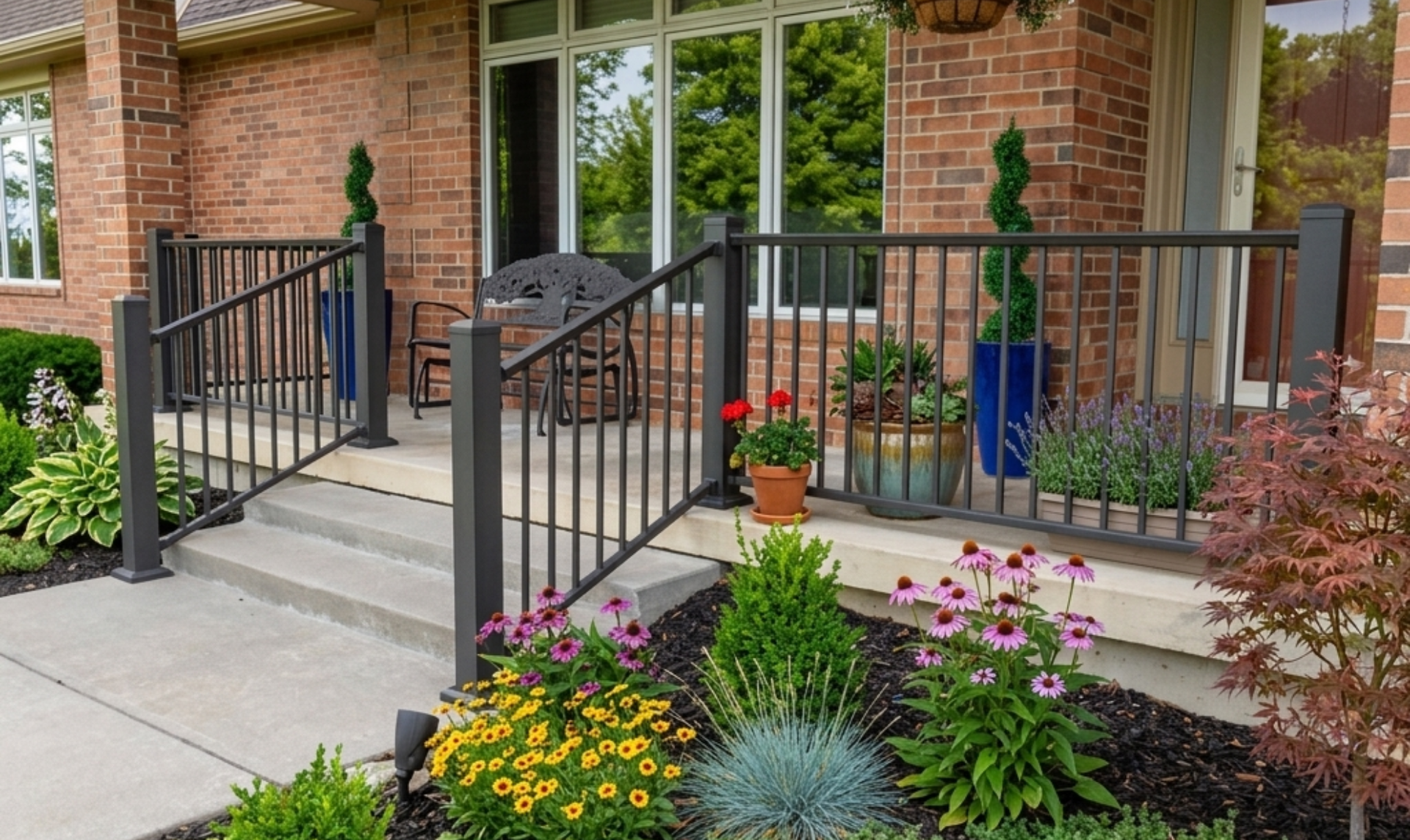
Picket-style — Vertical aluminum pickets with a top and bottom rail. Clean, functional, and the most common profile for residential and commercial use.
Flat-top — Horizontal top rail with a modern, streamlined look.
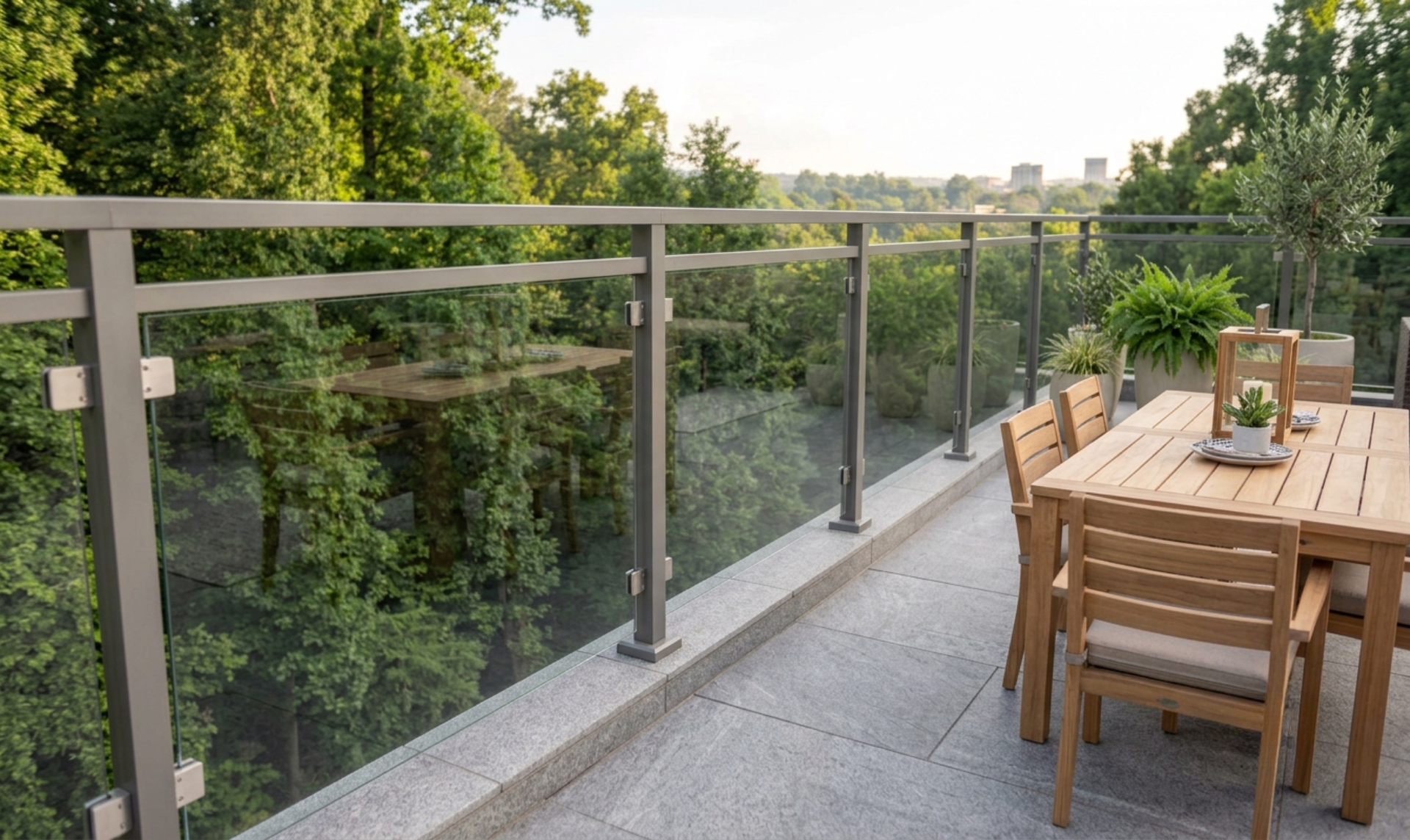
Glass-insert — Aluminum frames with tempered glass panels for unobstructed views on elevated decks and terraces.
Standard finishes: black, bronze, white, and natural aluminum. Custom colors available.
Where Aluminum Works Best in NYC
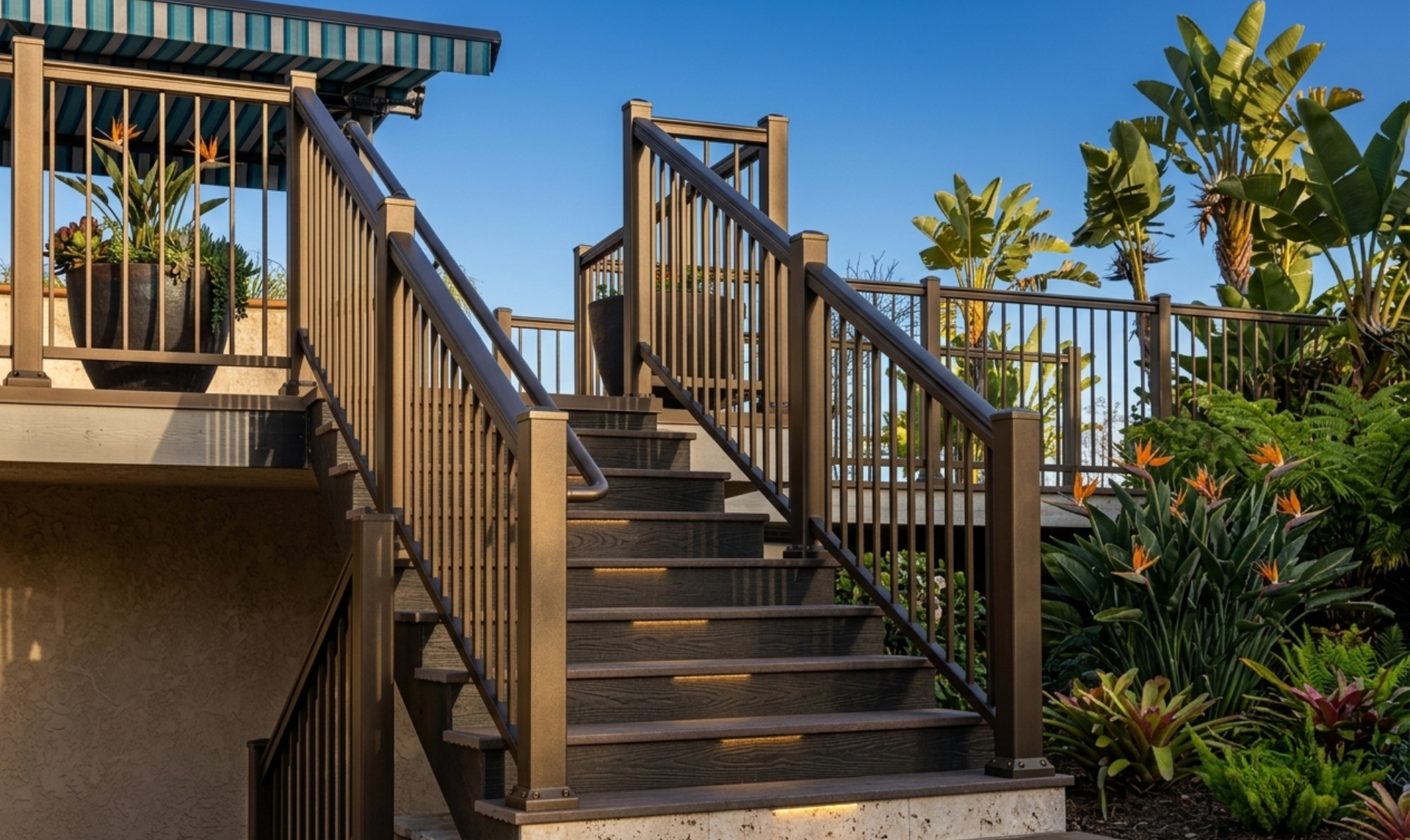
Weight matters on rooftop structures. Aluminum is significantly lighter than iron or steel, which means less structural load on the roof. It's also fully weather-resistant without any coating, so it holds up to New York winters without maintenance.
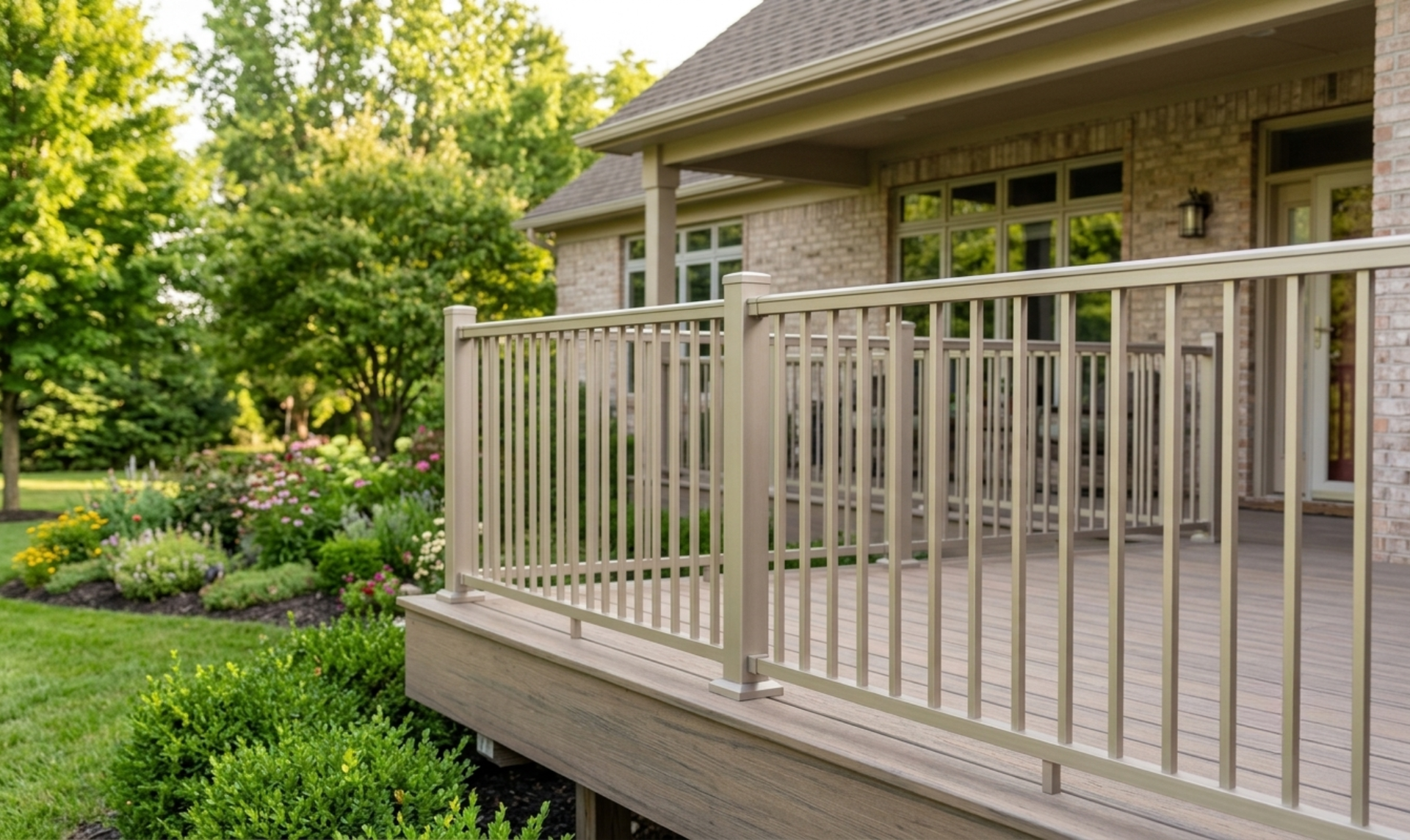
Aluminum railings work well for apartment and condo balconies. The material is durable, looks clean, and never needs attention from building maintenance staff.
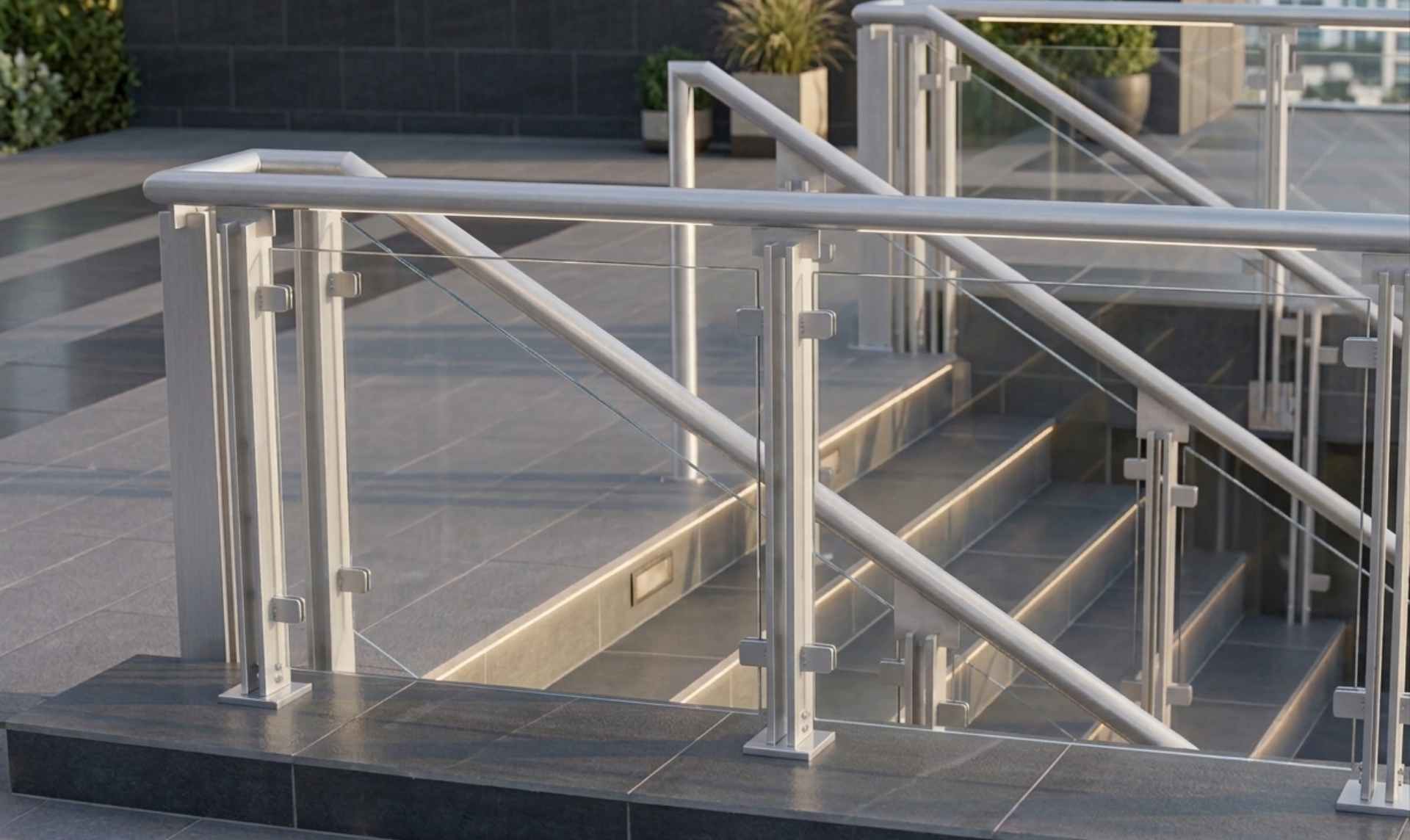
NYC's permanent outdoor dining structures need railings and guardrails that can handle year-round weather. Aluminum won't rust from rain or snow exposure and cleans up easily.
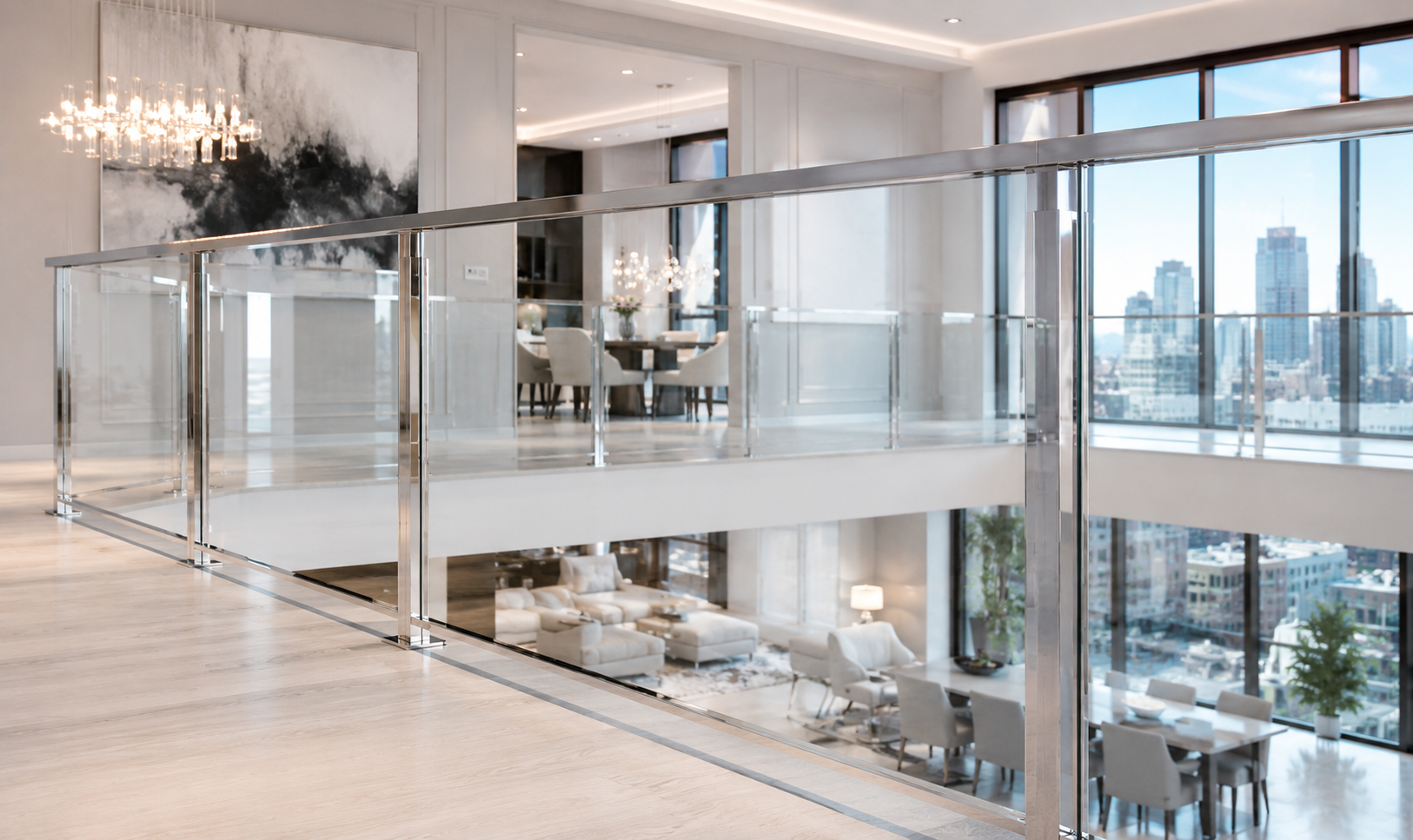
Description Title
For buildings with exterior corridors, breezeways, or covered walkways, aluminum provides code-compliant guardrails without the maintenance cycle that painted steel requires.
Having an Emergency?
Ready to enhance your property with aluminum railings? Contact Railings NYC today!
Frequently Asked Questions
Can aluminum railings handle New York winters?
Yes. Aluminum is naturally resistant to corrosion — it won't rust from salt, snow, or ice exposure. It handles freeze-thaw cycles without cracking or warping.
Are they strong enough for a rooftop railing?
Yes. Aluminum railings meet NYC Building Code load requirements when properly installed. The material is lighter than steel but structurally sound for guardrail applications.
How long do they last?
20–30+ years with virtually no maintenance. The factory-applied finish resists fading and chalking, and the aluminum itself won't corrode.