Wrought Iron Railings in New York City
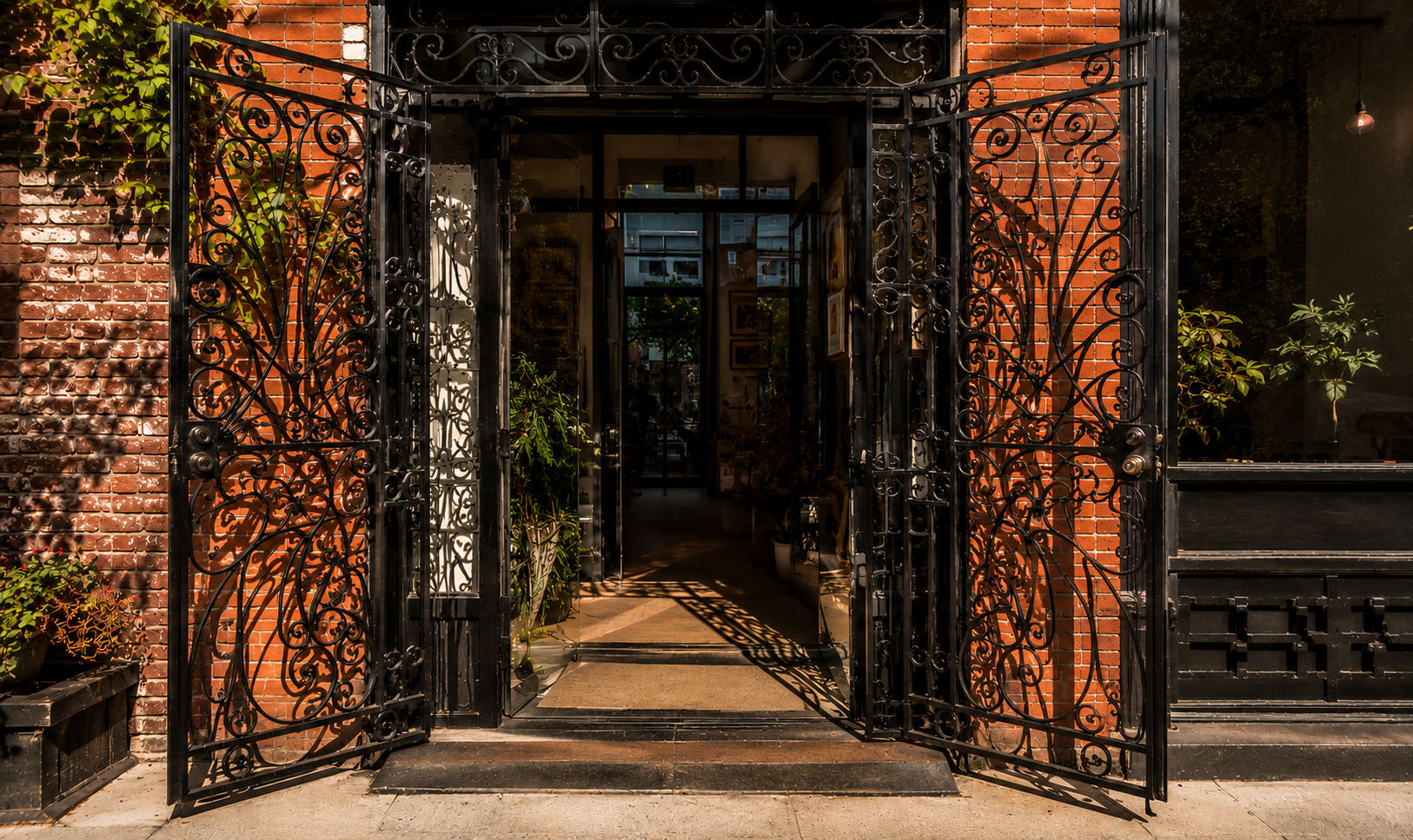
Wrought iron is the signature railing material of New York City. It's on every brownstone stoop in Brooklyn, every townhouse entrance in Manhattan, and most of the pre-war apartment building entryways across the city. When people picture a classic New York streetscape, iron railings are part of that image.
We fabricate and install custom wrought iron railings for
residential and commercial properties across all five boroughs — from stoop railing replacements in Park Slope to full staircase systems in Upper East Side townhouses.
Brownstone Stoop Railings
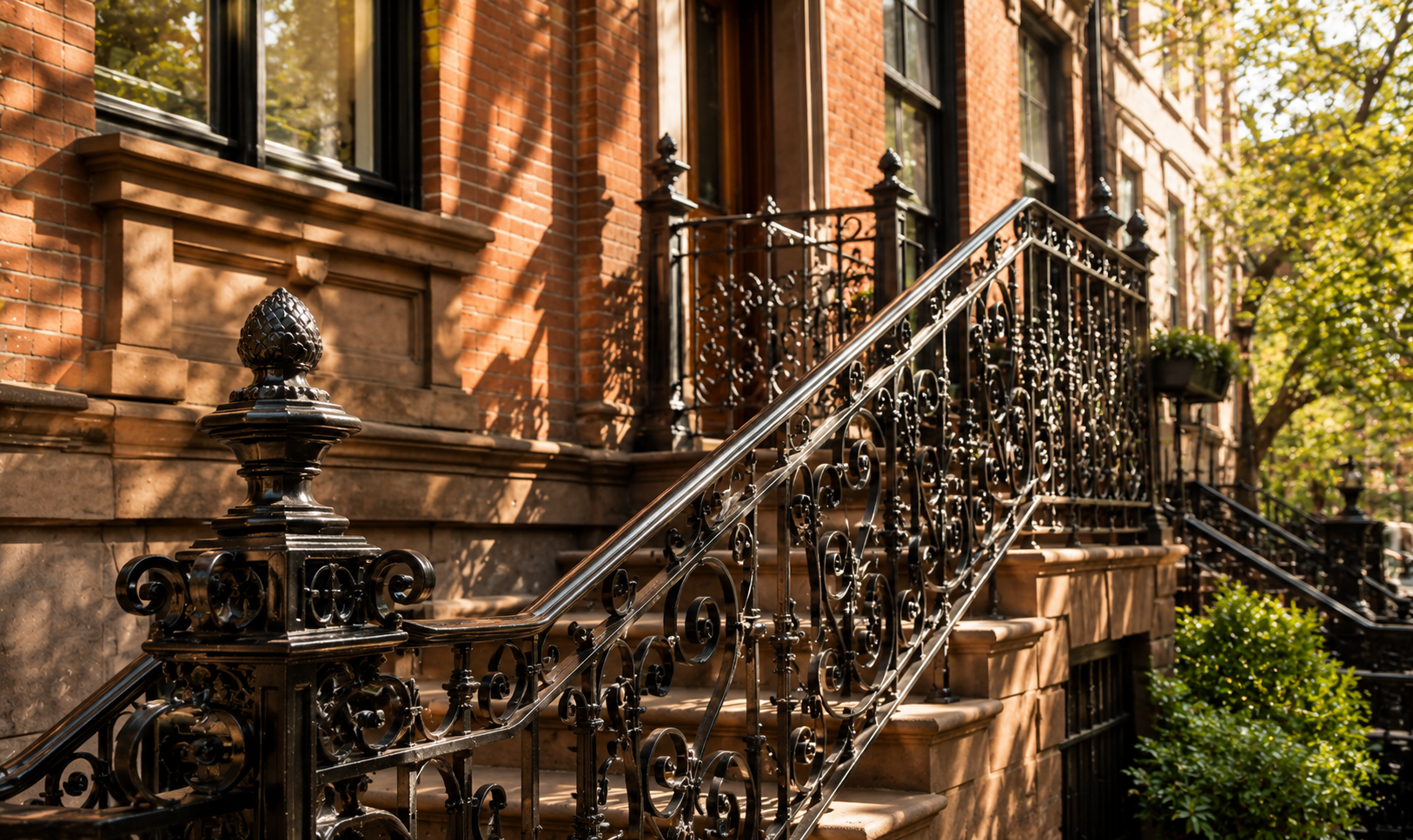
Brownstone stoop railings are one of our most common projects. New York's brownstone and townhouse stock dates back to the 1800s in many neighborhoods, and original iron railings — if they're still standing — are often severely rusted, structurally compromised, or long gone.
We build replacement stoop railings that respect the architectural character of the building while meeting current NYC building code. For landmarked buildings or properties in historic districts, we can fabricate railings that match the original period design for Landmarks Preservation Commission (LPC) approval.
Common brownstone railing projects include front stoop railings, areaway railings (the fencing around the below-grade entrance), parlor-level balcony railings, and garden-level gate enclosures.
Get a free quote
Contact Us
Interior Staircase Railings
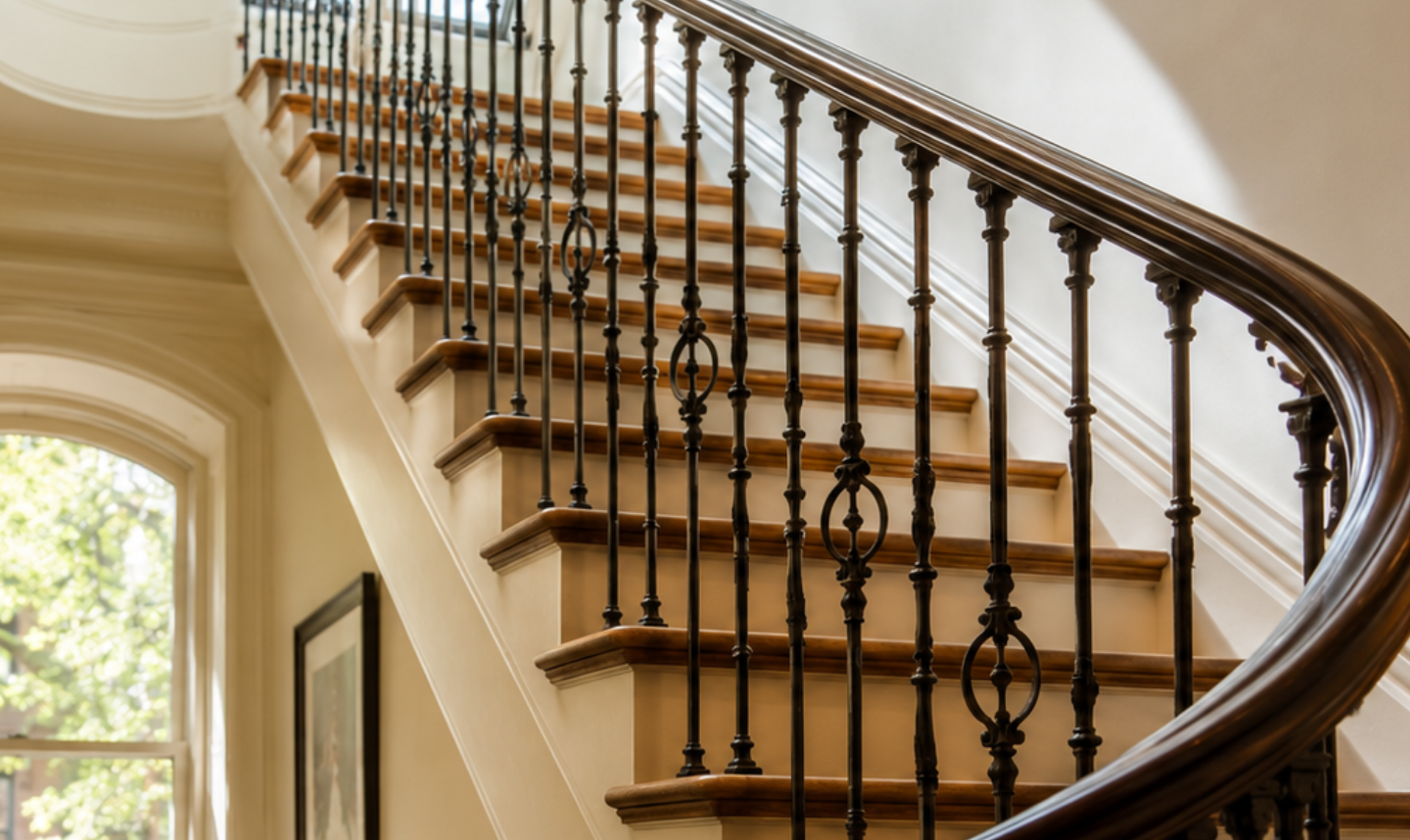
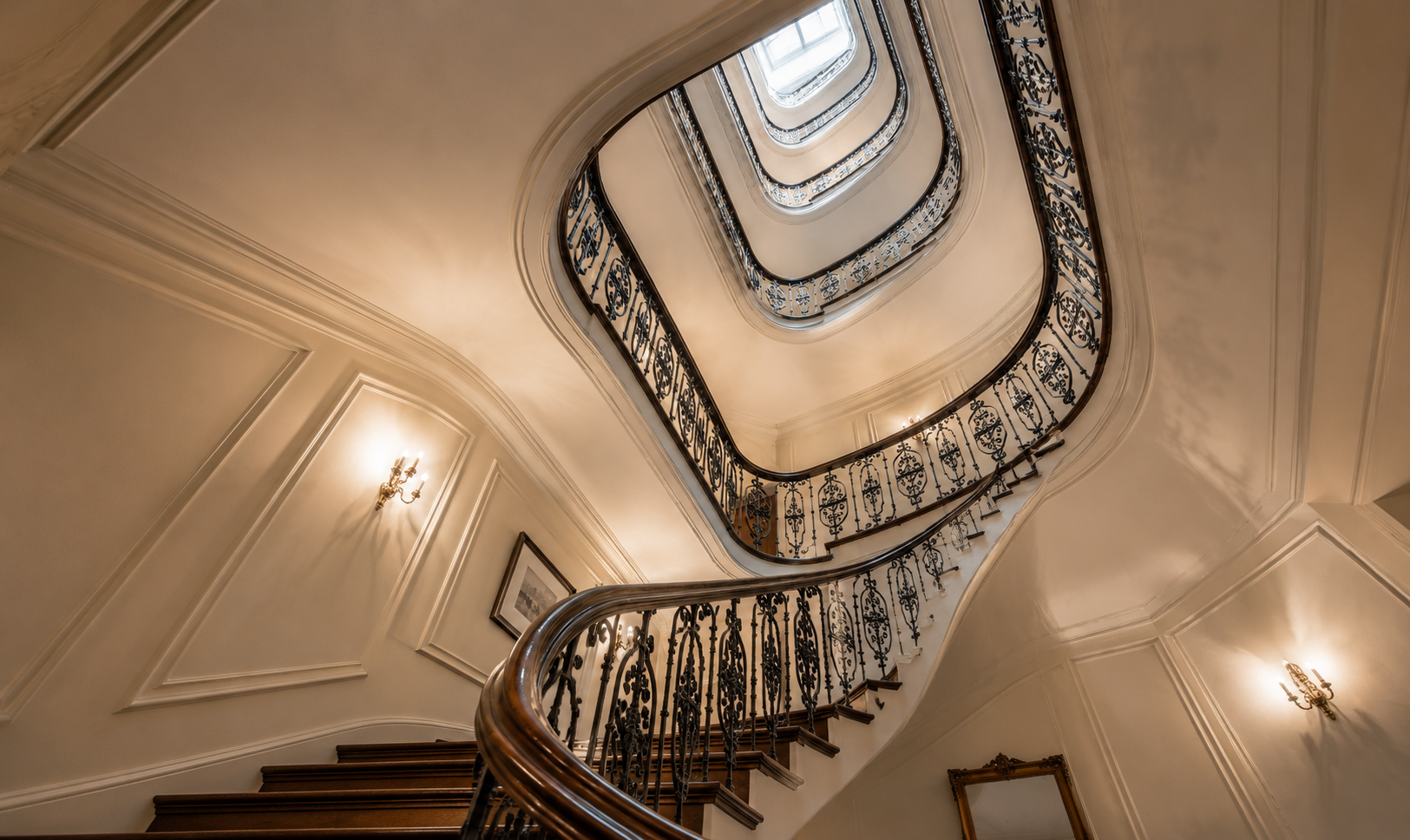
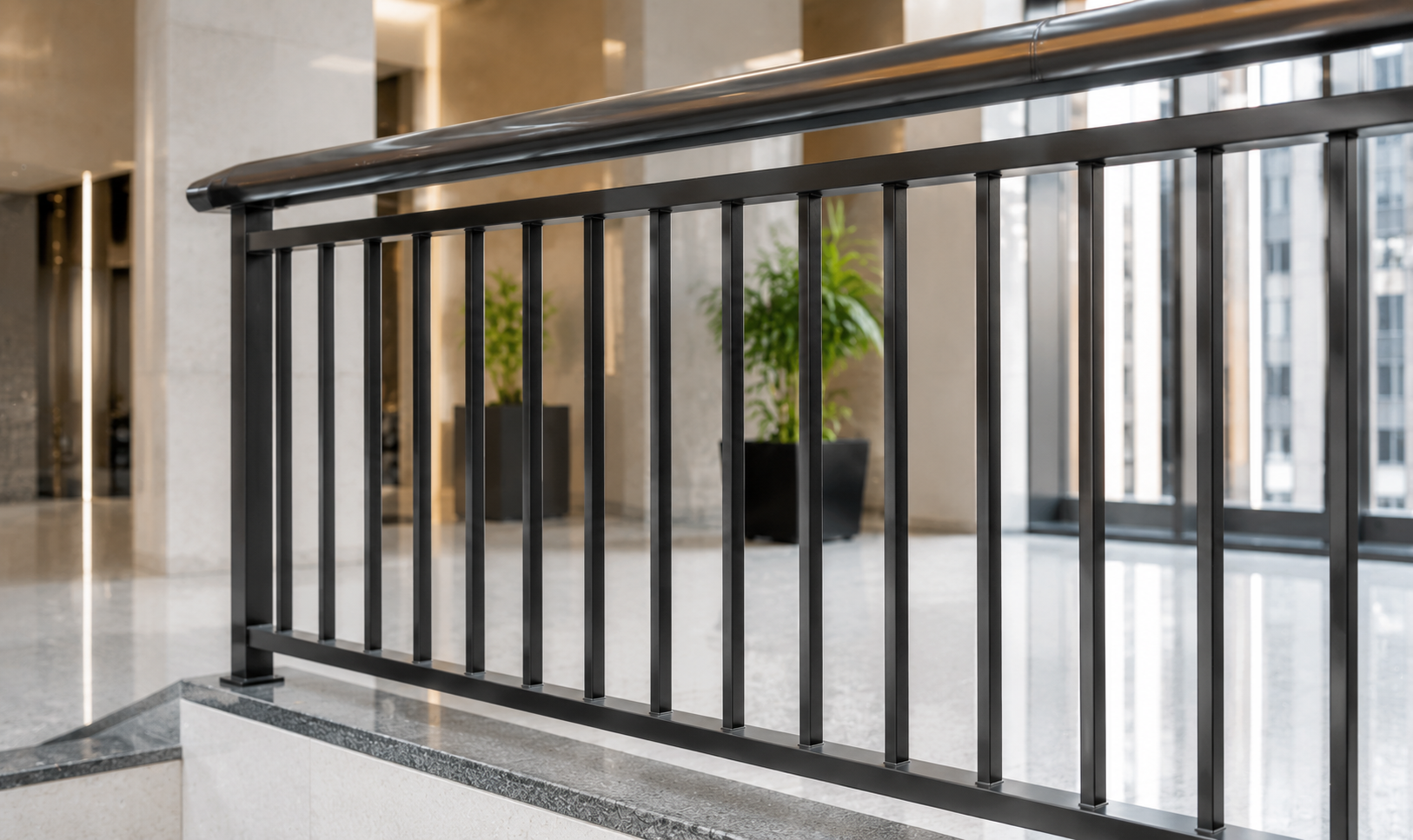
For townhouses, duplexes, and multi-level apartments, we build custom iron staircase railings and baluster systems. Iron balusters bring a classic New York look to interior staircases — and they're dramatically more durable than wood. We offer styles ranging from simple straight bars to ornate designs with scrolls, twists, and basket details.
How We Handle NYC's Climate
New York winters are the biggest enemy of outdoor ironwork. Road salt splashes onto stoop railings, freeze-thaw cycles work moisture into every crack and joint, and the constant temperature swings cause metal to expand and contract. Standard paint fails quickly under these conditions.
That's why we hot-dip galvanize all of our exterior wrought iron railings. Galvanizing creates a zinc coating that protects the iron from corrosion at a molecular level — it's significantly more durable than paint or standard powder coating for exterior applications in the Northeast. For interior railings, powder coating is the standard finish.
Need immediate service?
Landmarks Preservation Commission (LPC)
If your building is in a designated historic district — and there are over 150 in New York City — any visible exterior change, including railing replacement, may need LPC approval. We have experience fabricating railings to match period-appropriate designs and can provide drawings and specifications for LPC applications.
Historic districts where we frequently work include Brooklyn Heights, Park Slope, Fort Greene, Greenwich Village, the Upper West Side, Harlem, and Cobble Hill.
NYC Building Code for Railings
New York City has its own construction codes — the NYC Building Code — which differ from the International Building Code used in most of the country. Key requirements for residential railings include:
Required on any open side of a stairway, landing, balcony, or raised floor area more than 30 inches above the surface below. Minimum height is 36 inches for residential.
Transparent Pricing
- Based on the assessment, we provide a clear, detailed estimate which includes:
- Cost of materials
- Labor costs
- Any additional services, such as painting or finishing
- Project timeline
Openings cannot allow a 4-inch sphere to pass through. We build every railing to current NYC code, and we're familiar with the DOB inspection and sign-off process.
Frequently Asked Questions
This is the text area for this paragraph. To change it, simply click and start typing.
How long do iron railings last in New York?
With hot-dip galvanizing and basic maintenance, wrought iron railings last 30+ years in New York's climate. Galvanized railings hold up significantly longer than painted ones.
How much does a brownstone stoop railing cost?
It depends on the length, design complexity, and whether the building has LPC requirements. A standard brownstone stoop railing typically falls in the $1,500–$4,000 range installed. More ornate or landmarked designs will be higher. We provide detailed estimates.
Do I need a DOB permit?
For most railing replacements on 1-3 family homes, a DOB permit is typically not required as long as the work doesn't alter the building's structure. For larger buildings (4+ units) or any work that involves structural changes, a permit is usually needed. We'll advise you during the estimate.
Can you match the original railing design?
Yes. We regularly replicate period ironwork designs for brownstones and townhouses, including for LPC-regulated buildings. We can work from photos of the original or from design references that match the building's era.